
Presbycusis is the gradual hearing loss that comes with age. It usually affects both ears equally, starts with high-pitched sounds, and builds so slowly that most people do not notice it for years. The first sign is often hearing that someone is talking but not understanding the words, especially in a noisy room. It cannot be reversed, but it can be slowed and managed well with hearing aids, regular tests and a few lifestyle changes.
In most Indian families the story is the same. Papa says everyone mumbles. Mummy says she can hear perfectly well, just not when the pressure cooker is going. The TV gets louder every year. Nobody calls it hearing loss, because it came so slowly that it feels normal. That slow pace is exactly why presbycusis is so often left alone for five or ten years, and why it is worth understanding early.
At a Glance
- Presbycusis means age-related hearing loss. It is a type of sensorineural hearing loss, caused by wear in the inner ear and hearing nerve.
- WHO says more than 25% of people over 60 have disabling hearing loss. A large Indian study (LASI-DAD) found some hearing loss in about 85% of adults over 60 who were tested.
- Early signs: people seem to mumble, trouble in noisy places, TV too loud, missing women’s and children’s voices.
- It cannot be cured, but hearing aids work well, and leaving it untreated is linked to faster memory decline and dementia.
- Our 5 ways to slow it down: test early, treat early, protect from noise, look after heart and sugar, and review your medicines.
What Is Presbycusis?
The word comes from Greek: presbys means old and akousis means hearing. It is a form of sensorineural hearing loss, which means the problem is inside the inner ear (the cochlea) or the hearing nerve, not in the ear canal or ear drum.
The cochlea is lined with thousands of tiny hair cells. Each group responds to a different pitch. The cells that pick up high pitches sit at the entrance of the cochlea, so they take the most wear over a lifetime. As they are lost, high-pitched sounds fade first. Over time the blood supply to the inner ear, the hearing nerve and even the way the brain processes sound also change, which is why speech can sound unclear even when it is loud enough.

How Common Is Age-Related Hearing Loss?
Very common. The World Health Organization says more than a quarter of people over 60 have disabling hearing loss, and the number keeps rising with age. In India, the LASI-DAD study tested the hearing of 3,406 adults over 60 with an audiometer. Only about 15% had normal hearing. Around 43% had mild loss and 42% had moderate loss.
Yet very few older Indians wear hearing aids. Cost, stigma and the belief that it is just old age are the usual reasons. The result is millions of people living with a problem that can be treated.
Causes and Risk Factors
Age itself is the main cause, but several things decide how early it starts and how fast it moves:
- Noise over a lifetime: factories, generators, traffic, loud music, firecrackers and headphones all add up.
- Genes: if your parents lost their hearing early, you are more likely to as well.
- Diabetes, high blood pressure and heart disease, which reduce blood flow to the inner ear.
- Smoking.
- Some medicines, such as certain antibiotics, cancer drugs and high doses of aspirin, which can harm the inner ear.
- Repeated ear infections or other ear problems earlier in life.
Early Signs of Presbycusis
Because it is gradual, family members often notice before the person does. Watch for these signs:
- Saying “people are mumbling” or “speak clearly”.
- Hearing that someone is speaking but not catching the words.
- Struggling at weddings, restaurants and family gatherings where many people talk at once.
- Finding women’s and children’s voices harder than men’s, because they are higher pitched.
- Mixing up words that differ in soft consonants like s, f, th and sh.
- TV or phone volume much louder than others like.
- Missing the doorbell, phone ring or pressure cooker whistle.
- Ringing or buzzing in the ears (tinnitus). Our guide to hearing aids for tinnitus covers this.
- Pulling back from conversations and social events because listening is tiring.
How Presbycusis Shows on an Audiogram
A pure tone audiogram is the test that confirms it. Presbycusis has a typical shape: hearing is near normal or mildly reduced in the low pitches on the left of the chart, then slopes down towards the high pitches on the right. Both ears look similar. Air and bone conduction lines sit close together, which shows the loss is sensorineural, not a blockage.

Audiologists then grade the loss by how loud a sound has to be before you hear it:
| Stage | Hearing level (dB HL) | What it feels like |
|---|---|---|
| Mild | 26 to 40 | Quiet speech and soft consonants missed, trouble in noise |
| Moderate | 41 to 60 | Normal speech often unclear, TV turned up, phone calls hard |
| Moderately severe | 61 to 70 | Most speech needs to be loud and close |
| Severe | 71 to 90 | Only very loud speech heard without a hearing aid |
| Profound | Over 90 | Little or no speech heard without help |
Most presbycusis is mild or moderate. If yours is mild, our hearing aids for mild hearing loss guide explains whether you need one yet.
Why You Should Not Ignore It: Hearing Loss and Dementia
Untreated hearing loss is not only about missing words. The 2024 Lancet Commission on dementia named hearing loss as one of the largest risk factors that people can do something about. When the brain gets less sound, it works harder to understand speech, and people with hearing loss often withdraw from conversation, which adds loneliness and inactivity.
The good news is that treatment seems to help. In the ACHIEVE trial, published in The Lancet in 2023, older adults who were already at higher risk of memory decline and who received hearing aids and counselling had about 48% slower thinking decline over three years than a similar group who did not. Hearing aids are not a cure for dementia, but they are one of the simplest things a family can do.

Can Presbycusis Be Treated?
The hair cells that are lost do not grow back, and no tablet, ear drop or home remedy restores them. Be careful with products that promise to cure age-related hearing loss. What does work is supplying the missing sound so the brain gets clear speech again.
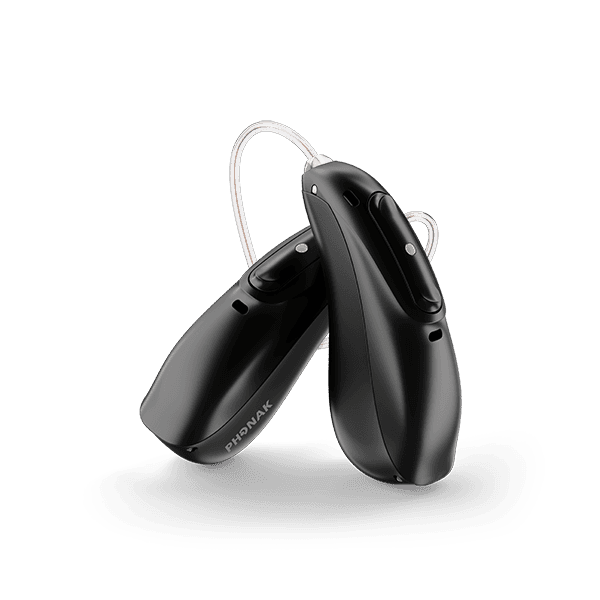
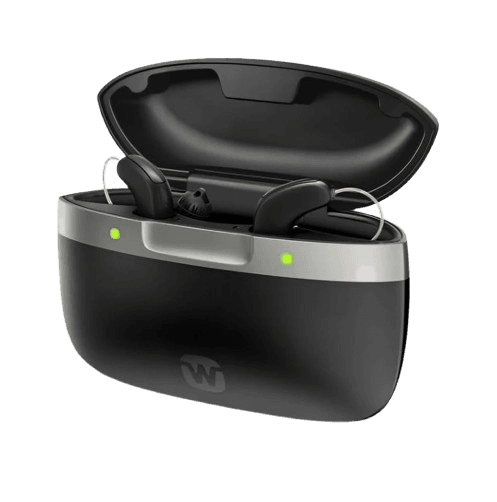
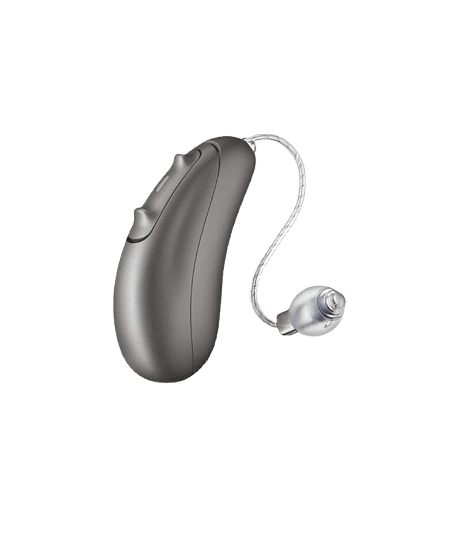
For almost everyone with presbycusis, that means hearing aids. Modern ones are small, rechargeable, connect to phones and are tuned to your exact audiogram. Receiver-in-canal styles suit most age-related loss; see our top 10 RIC hearing aids. For specific models and prices that suit older users, from simple button-operated aids to app-controlled ones, read our best hearing aids for senior citizens in India guide. In the rare case where loss becomes profound and hearing aids no longer help, a cochlear implant may be considered; our cochlear implant vs hearing aid guide explains when.
When a Parent Says “I Can Hear Fine”
Denial is the most common reason presbycusis goes untreated. Because the loss is slow, the person honestly believes others are speaking softly. A few things help more than arguing:
- Talk about specific moments, not the problem in general: “You missed what Riya said at dinner” works better than “You are going deaf”.
- Frame the test as a routine check-up, like eyes or sugar, not as buying a hearing aid.
- Go together, and get your own hearing tested at the same visit.
- Mention the home trial: nothing has to be bought on the first day.
- Point out that modern aids are small, rechargeable and hardly visible behind the ear.
Most older people who try a well-fitted aid for a week are surprised by how much they had been missing, from birds outside to the grandchildren’s voices.
5 Ways to Slow Down Age-Related Hearing Loss
You cannot stop ageing, but you can change how much hearing you keep and how well you live with it. These are the five steps we recommend to every family.
1. Get a hearing test after 50, then every year
Presbycusis starts years before it is obvious. A baseline audiogram at 50, and a yearly test after 60, catches it while it is still mild and lets you track change. If you already have diabetes or a noisy job, start earlier. Every Hearwell clinic offers a free hearing test.
2. Treat it early with hearing aids
The longer the brain goes without certain sounds, the harder it is to make sense of them again. People who start hearing aids at the mild or moderate stage usually adapt faster and get more benefit. Wear them all day, not just for visitors. For help choosing, see our senior citizens hearing aid guide and Signia vs Phonak comparison.
3. Protect your ears from noise
Noise damage adds directly to age-related loss. Stand away from speakers and DJs at weddings, cover your ears during firecrackers, use ear plugs around generators and machinery, and keep headphone volume below about 60% for no more than an hour at a time. Hearing aids themselves do not damage hearing when properly fitted.
4. Look after your heart, sugar and blood pressure
The inner ear needs a good blood supply. Keeping diabetes and blood pressure under control, staying active, eating well and not smoking all protect the tiny vessels that feed the cochlea. Many studies link poorly controlled diabetes and smoking with faster hearing loss.
5. Review your medicines and stay socially active
Ask your doctor whether any of your regular medicines can affect hearing, and never take high-dose painkillers for long periods without advice. Keep talking, meeting people and listening to music or satsang. An active, engaged brain makes better use of the hearing you have, and it also lowers the risk that hearing loss leads to isolation.
Get Tested at Hearwell
Hearwell clinics test hearing, explain your audiogram in plain language, and fit Signia, Phonak and other hearing aids with a 7-day home trial. Visit us in Jalandhar, Phagwara, Kapurthala, Ludhiana, Bathinda, Mohali, Patiala or Jammu, or contact us to book. Prices for every brand are in our hearing aid price guide.
Frequently Asked Questions

What is presbycusis?
Presbycusis is age-related hearing loss. It is a gradual sensorineural hearing loss that usually affects both ears equally and starts with high-pitched sounds, caused by wear in the inner ear and hearing nerve over time.
At what age does presbycusis start?
Changes can begin in the 40s and 50s, but most people notice it after 60. WHO estimates that more than a quarter of people over 60 have disabling hearing loss.
What are the first symptoms of age-related hearing loss?
People seem to mumble, conversations in noisy places become hard, women’s and children’s voices are harder to follow, the TV gets turned up, and soft sounds like s, f and th are missed.
Can presbycusis be cured?
No. Lost hair cells in the inner ear do not grow back, and no medicine or home remedy reverses it. Hearing aids are the main treatment and work well for most people.
Is presbycusis the same as sensorineural hearing loss?
Presbycusis is one type of sensorineural hearing loss, the type caused by ageing. Sensorineural loss can also be caused by noise, infections, medicines or genes.
Does untreated hearing loss cause dementia?
Hearing loss is one of the biggest modifiable risk factors for dementia according to the Lancet Commission. In the ACHIEVE trial, at-risk older adults given hearing aids had about 48% slower thinking decline over three years.
How can I slow down age-related hearing loss?
Get tested early and yearly, use hearing aids as soon as you need them, protect your ears from loud noise, control diabetes and blood pressure, avoid smoking, and review medicines that can harm hearing.
Which hearing aid is best for presbycusis?
Most people with presbycusis do well with a rechargeable receiver-in-canal hearing aid tuned to their audiogram. Our guide to the best hearing aids for senior citizens in India compares models and prices.
Noticed the Signs in Yourself or a Parent?
Book a free hearing test at any Hearwell clinic. We will explain the audiogram, tell you honestly whether a hearing aid is needed yet, and let you try one at home for 7 days.
Call: +91 8556086888 | WhatsApp: wa.me/+918556086888 | Find your nearest Hearwell clinic