Ringing, buzzing or hissing that nobody else can hear is one of the most common reasons people walk into a hearing clinic, and one of the most misunderstood. Phonak’s own clinical material puts tinnitus at 10 to 15 percent of adults and says about 80 percent of those people also have some hearing loss. That overlap is why a hearing aid is often the first thing an audiologist tries.
This guide explains the three ways hearing aids work on tinnitus, what each of the seven brands on our price lists offers, when you should see an ENT first, and what the matching models cost in 2026. Feature details come from HearingTracker’s tinnitus review and Phonak’s professional blog, prices from the brand sheets.
| At a Glance ✓ Tinnitus has no known cure. Hearing aids help by making outside sound louder, by playing masking sound, or by turning down the tinnitus pitch (Signia’s Notch Therapy). ✓ They work best when tinnitus comes with hearing loss. With near-normal hearing, amplification does little. ✓ Starkey, ReSound, Widex, Oticon, Signia and Phonak all offer tinnitus sound options. HearingTracker’s list does not mention Bernafon. ✓ On our 2026 lists, Starkey Evolv AI 1000 at ₹45,000 a unit is a low entry point, and ReSound Vivia 4 starts at ₹1,73,995 a pair. ✓ Tinnitus in one ear, pulsing with your heartbeat, or arriving suddenly with hearing loss needs a doctor before any hearing aid. |
See a Doctor First When the Pattern Is Unusual

HearingTracker lists the cases where an ENT or physician comes before a hearing aid: pulsatile tinnitus that follows your heartbeat, tinnitus in one ear only, tinnitus that changes quickly, and tinnitus that disrupts sleep or feeds anxiety or low mood. Sudden sensorineural hearing loss, with or without tinnitus, is an urgent ENT matter, not a shopping decision.
If none of that fits and a hearing test shows loss, the usual route is a hearing aid with sound therapy built in. Our guide to choosing a digital hearing aid explains what the test and first fitting involve.
Three Ways a Hearing Aid Works on Tinnitus
The first is plain amplification. When everyday sound is audible again, the tinnitus stands out less against it. HearingTracker cites a 2007 poll in which about 60 percent of tinnitus patients reported at least some relief from hearing aids.
The second is masking. Built-in sound generators play noise, ocean waves or other tones over the tinnitus. Some people notice residual inhibition, where the ringing sounds quieter for minutes or hours after the sound stops.
The third, Signia’s Notch Therapy, takes the opposite approach. It reduces amplification at the wearer’s own tinnitus pitch so the brain can learn to ignore it. The same review notes that Signia’s claims are not independently confirmed. Overall evidence is modest as well: a 2018 Cochrane review found only low-quality evidence for sound-based devices, although guidelines still recommend amplification for people who have both tinnitus and hearing loss. Ask your audiologist to try more than one approach.
What Each Brand Calls It and How You Control It
| Brand | Feature | How it is set and adjusted |
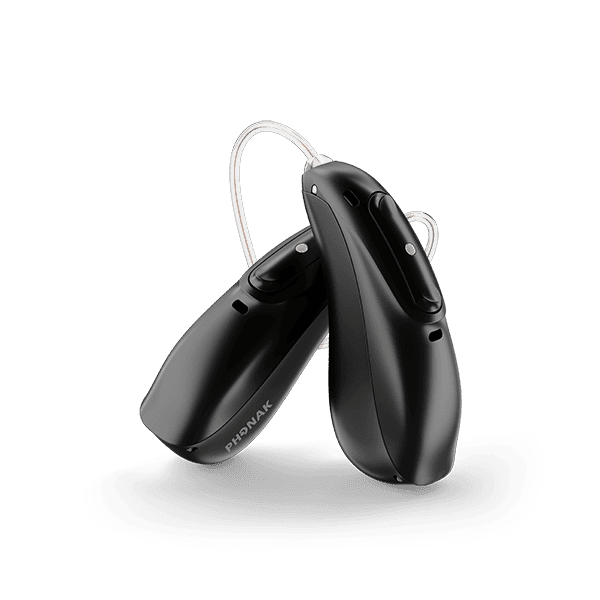
| Phonak | Tinnitus Balance | Set in Target software. Noise can be white, pink or shaped to your audiogram, always on or as a separate program. Wearers adjust volume in the myPhonak app. |
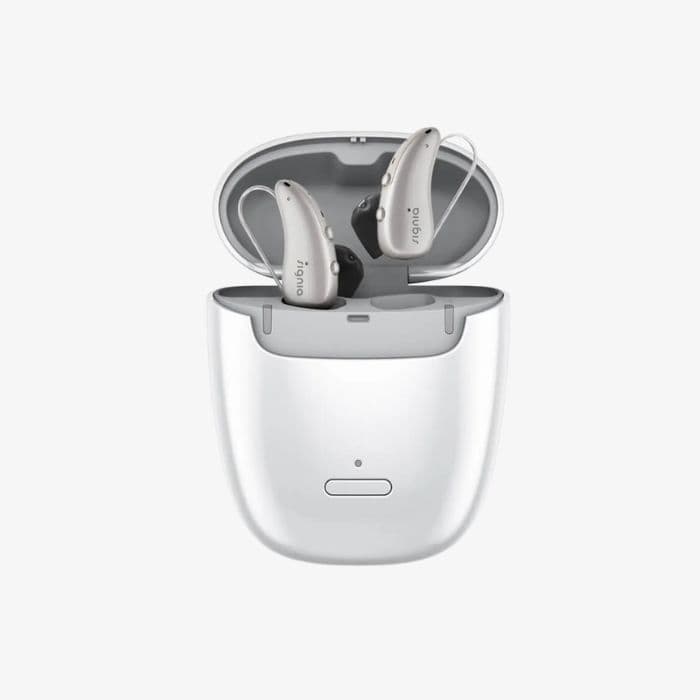
| Signia | Static noise, ocean sounds, Notch Therapy | Configured in Connexx software. Notch Therapy begins with a pitch matching test. |
| Oticon | Tinnitus SoundSupport | Genie 2 software. Broadband and nature sounds, with pitch and intensity adjustable in the Oticon ON app. |
| Starkey | Multiflex Tinnitus | White noise, audiogram-shaped noise and personalization, controlled through My Starkey and Thrive. |
| Widex | Zen Therapy | Random fractal tones set in COMPASS GPS. Supported on Moment and Evoke, not on the current Allure flagship. |
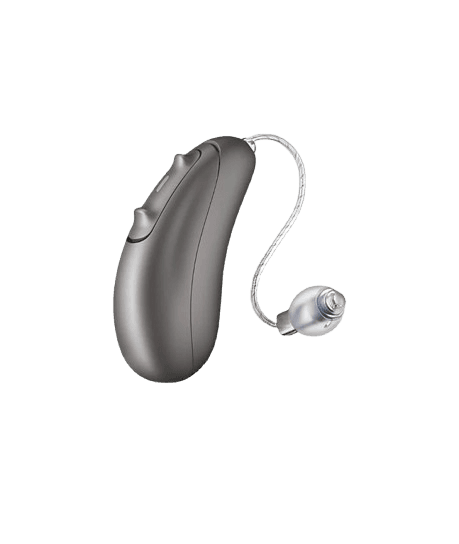
| ReSound | Tinnitus Sound Generator | Four broadband noises and six ocean sounds, in the ReSound Smart app. Available on Vivia, Nexia, OMNIA and Enzo Q. |
Phonak’s version is the simplest for the wearer, since the app lets you change only the volume. Oticon, ReSound and Starkey give you more control over the sound itself. Which suits you depends on whether you want to fiddle with settings or have your audiologist fix them once. Our brand pages for Phonak, Signia, Oticon, Starkey, Widex and ReSound list the current range.
Tinnitus-Capable Models and Their 2026 Prices
The table covers models where the reviewer names the tinnitus feature, with prices from the current sheets. Feature support can differ by model within a brand, so confirm it on the exact aid before you pay.
| Model | Tinnitus feature | Price on 2026 list (₹) |
| Starkey Evolv AI 1000 | Multiflex Tinnitus | 45,000 per unit (RIC 312 or BTE 13) |
| Starkey Genesis AI 12 | Multiflex Tinnitus | 2,20,000 per pair |
| ReSound OMNIA 4 NP BTE | Tinnitus Sound Generator | 74,995 single, 1,32,995 pair |
| ReSound Vivia 4 | Tinnitus Sound Generator | 97,495 single, 1,73,995 pair |
| ReSound Vivia 9 | Tinnitus Sound Generator | 8,89,995 per pair |
| Widex Evoke | Zen Therapy | 65,000 to 2,00,000 per unit |
| Widex Moment | Zen Therapy | 70,000 to 3,60,000 per unit |
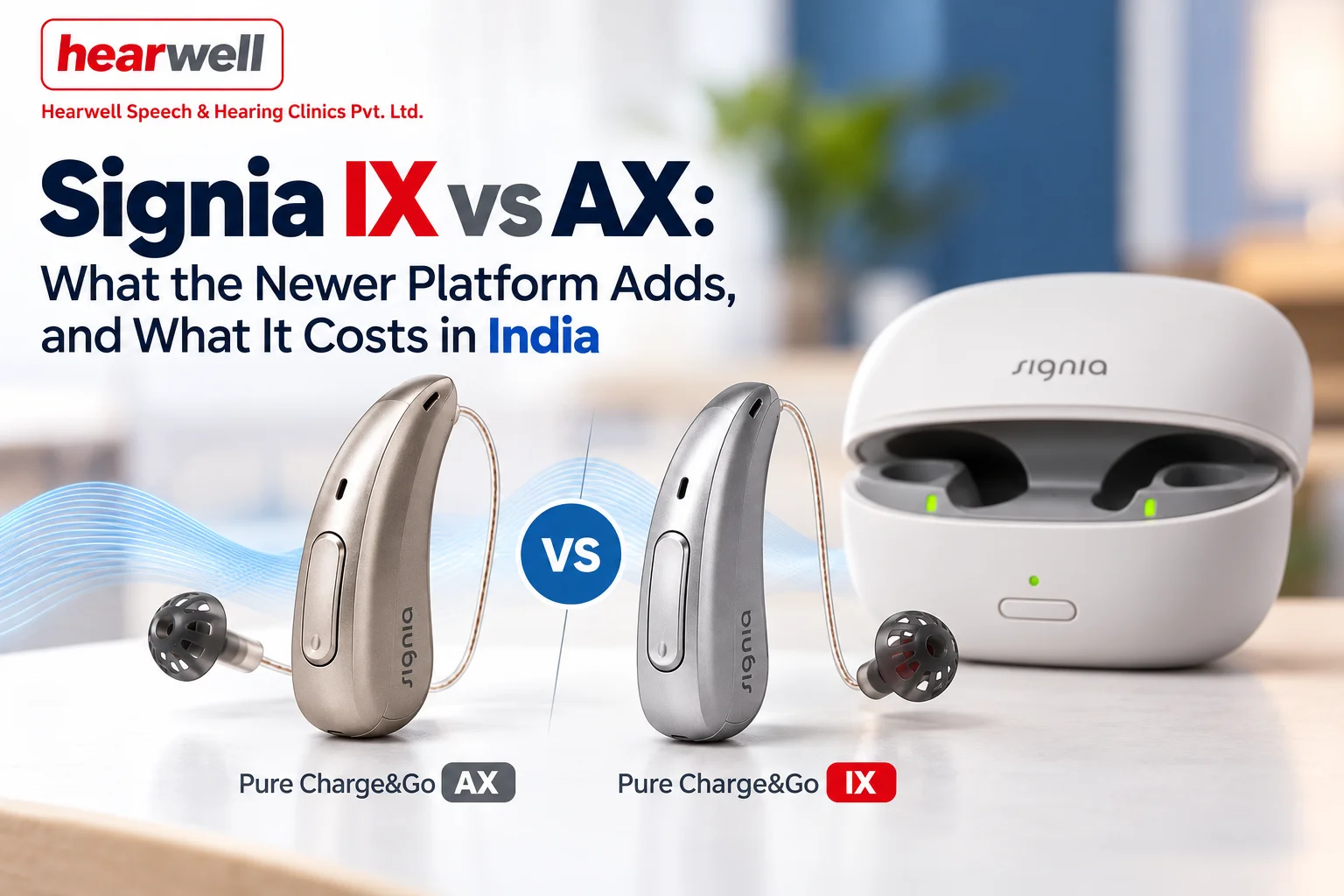
Signia, Phonak and Oticon all offer sound therapy, but the reviewer does not tie it to specific models, so we have left them out of the table rather than guess. Signia’s Pure C&G IX runs from ₹77,990 to ₹3,89,990 per unit on the March 2026 list, and our Signia price guide and IX vs AX comparison show the levels. The Phonak price guide and Oticon price guide do the same for those brands, and the Widex price guide covers Moment and Evoke. For a side-by-side of Starkey and ReSound, see Starkey vs ReSound.
Picking by Situation
▸ Mild tinnitus with mild to moderate loss: a lower-priced Starkey or ReSound model with a sound generator is a sensible first trial. A rechargeable aid is worth a look if you will wear it all day, and our rechargeable guide lists the costs.
▸ Tinnitus that is loudest in quiet rooms or at night: ask for a sound program you can switch on manually, and look at Bluetooth hearing aids if you want to stream your own calming audio.
▸ Older wearers: handling matters as much as features, so see our guide for senior citizens.
▸ Want it hidden: custom styles exist, but the smaller shells have less room for features. Our pages on CIC and ITC aids and the invisible hearing aids guide explain what you give up.
A hearing aid is poor value at bedtime. HearingTracker points out that aids are impractical to sleep in and suggests a dedicated sound machine or pillow speaker for night-time relief, with the Phonak Lyric as the exception. If your hearing is near normal, amplification does little, and counselling or a standalone sound generator may fit better.
What to Expect From the Fitting
The audiologist will test your hearing, ask about the pitch and loudness of the ringing, and set the sound therapy to match. Expect adjustments over the first weeks. Masking sound should sit just below or at the level of the tinnitus, not drown it out, and you should be able to turn it down. Wear the aids through the day so that your brain gets used to both the amplified speech and the new background sound.
For government pensioners and employees, check the ceiling in our CGHS guide before choosing. Brand comparisons such as Signia vs Phonak, Signia MaX and Phonak Eon vs older models help if you are weighing the two brands, and the hearing aid price guide shows every brand together. Tools such as AI hearing aids and the compare tool are worth a look as well.
Clinics Across Punjab, Haryana, Delhi NCR and Jammu
You can get tinnitus-focused fittings at Jalandhar, Phagwara, Kapurthala, Ludhiana, Bathinda, Mohali, Patiala and Jammu. We also serve Delhi NCR, Noida, Gurugram, Amritsar and Hoshiarpur. Browse all hearing aids or products, learn about Hearwell, or contact us to book a test.
Frequently Asked Questions

| Q. Can a hearing aid cure tinnitus? |
| A. No. Tinnitus has no known cure. Hearing aids can make it less noticeable through amplification, masking sound or notch therapy, and a 2018 Cochrane review found the evidence for sound-based devices to be of low quality. |
| Q. Which brand is best for tinnitus? |
| A. There is no single winner. Phonak, Signia, Oticon, Starkey, Widex and ReSound all offer tinnitus sound options, and the right one depends on your hearing loss and how much control you want over the sound. |
| Q. How much does a tinnitus hearing aid cost in India? |
| A. On the 2026 lists, a Starkey Evolv AI 1000 is ₹45,000 a unit and a ReSound Vivia 4 pair is ₹1,73,995. Premium models like the Vivia 9 reach ₹8,89,995 a pair. |
| Q. Do I need hearing loss to benefit from a hearing aid for tinnitus? |
| A. It helps most when you have it. With near-normal hearing, amplification has less effect, and counselling or a standalone sound generator may suit you better. |
| Q. Should I see an ENT first? |
| A. Yes if the ringing is in one ear, pulses with your heartbeat, changes quickly, comes with sudden hearing loss or disrupts sleep and mood. |
| Q. Can I wear a hearing aid to bed for tinnitus? |
| A. It is impractical. A sound machine or pillow speaker is usually suggested for night, with the Phonak Lyric as the exception. |
| Ringing in Your Ears? Start With a Hearing Test Hearwell can test your hearing, check whether tinnitus comes with loss, and set up masking or notch therapy on a trial aid. Book a visit at any clinic across Punjab, Haryana, Delhi NCR, UP and Jammu, and bring a family member if you like. 📞 Call: +91 8556086888 💬 WhatsApp: wa.me/+918556086888 📍 Find your nearest Hearwell clinic |