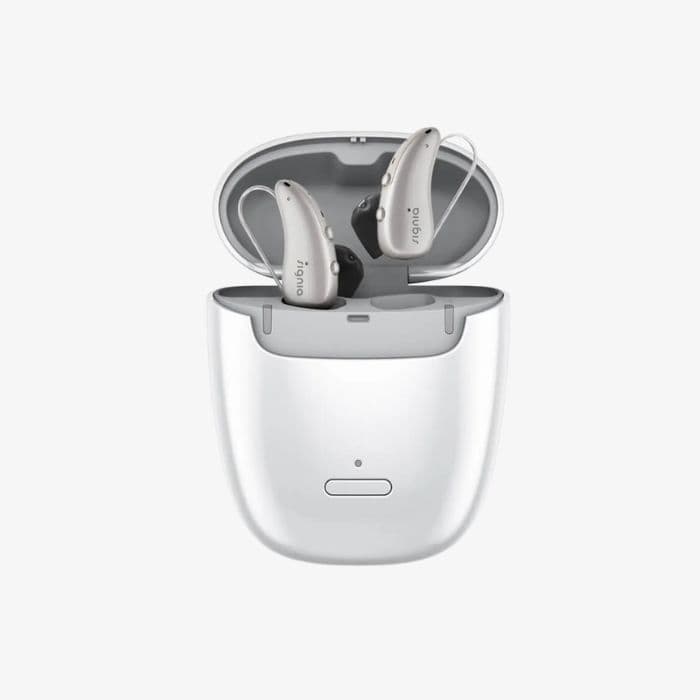
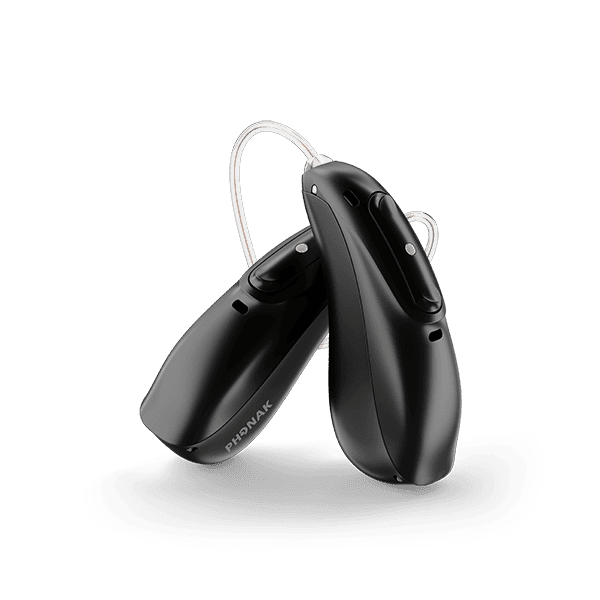
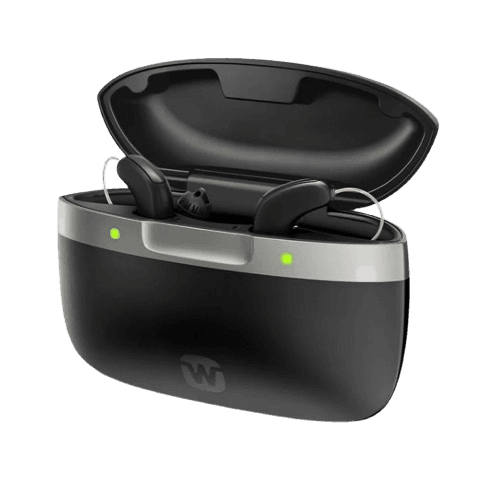
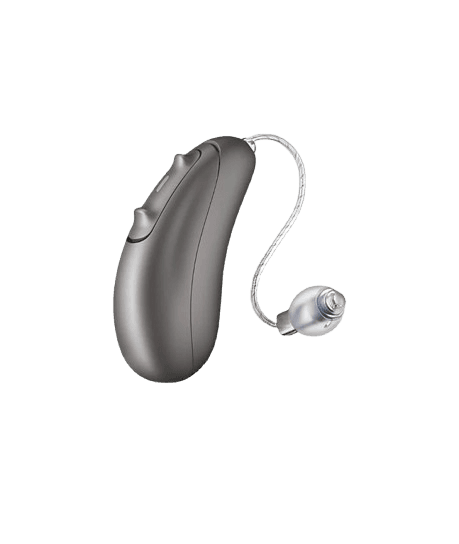
Phonak has just introduced its newest hearing aid platform Eon and it’s already being called the brand’s biggest technology leap in years. If you currently wear an older Phonak hearing aid or are planning your first purchase, you’re probably wondering: is Eon really that different, and is it worth choosing over Phonak’s previous generations like the Audéo Lumity or Audéo Sphere Infinio?
In this guide, we’ll break down exactly what’s new in the Phonak Eon lineup, how it compares to older Phonak models feature-by-feature, and who should actually consider upgrading.
What Is Phonak Eon?

Eon is Phonak’s next-generation hearing aid platform, built around a newly developed processor called the HyperSonic chip. This chip powers two AI systems working together Spheric Speech Clarity 3.0 and AutoSense OS AI 8.0 along with Made-For-All connectivity, which lets the devices pair with almost any Bluetooth-enabled phone, tablet, laptop, or TV.
The Eon family includes three models:
- Audéo Eon Sphere — the flagship model, carrying the full Spheric Speech Clarity 3.0 processing for the most advanced speech-in-noise performance
- Audéo Eon R — a standard rechargeable RIC (receiver-in-canal) hearing aid built on the same AutoSense OS AI 8.0 platform, but without the dedicated Sphere speech-in-noise processor
- CROS Eon — designed for people with single-sided deafness, routing sound from the non-hearing ear to the better ear
You can explore Phonak’s current lineup, including Eon, in the Phonak brand catalog or view the full product range here.
What’s Actually New in Eon?

Here’s where Eon meaningfully separates itself from older Phonak generations:
1. Smaller and Lighter Design
Eon devices are around 25% smaller and 20% lighter than the previous Sphere generation. For daily wearers, this translates into a device that sits more comfortably behind the ear for longer hours, especially for people who found older RIC models slightly bulky.
2. Better Power Efficiency, Longer Battery Life
Thanks to the HyperSonic chip, Eon uses roughly 37% less power than its predecessor while still running real-time AI processing. The result is up to 38 hours of battery life on a single charge — a notable jump from what older Phonak models typically offered.
3. WindBlock 2.0
This is a new noise-management feature that reduces wind noise by up to 50 dB and can improve the signal-to-noise ratio by up to 30 dB. Older Phonak models had wind-noise reduction too, but nowhere near this level of refinement — this matters a lot for anyone who spends time outdoors, commuting on a bike, or living in windy regions.
4. Dual AI Systems Working Together
Eon combines Spheric Speech Clarity 3.0 with AutoSense OS AI 8.0 in one platform. Earlier Phonak generations (like Lumity) relied on a single AI sound-classification system without this level of dedicated speech-in-noise processing built into a chip this efficient.
5. Auracast Support
Eon supports Auracast broadcast audio, meaning users can stream audio directly from supported public venues — theatres, gyms, museums, lecture halls — straight into their hearing aids. This is a newer industry-wide feature that wasn’t available on most older Phonak devices.
6. EasyGuard Domes
Eon Sphere and Eon R are compatible with Phonak’s new EasyGuard domes, which are designed to keep earwax out of the receiver with a sealed design, cutting down on maintenance and repairs — a common pain point with older domes and wax guards.
7. New Charging Options
Eon ships with two new charging solutions, including a portable charger with a built-in battery — useful for travel or long days away from a power socket.
Phonak Eon vs Older Phonak Models: Side-by-Side
| Feature | Phonak Eon (2026) | Older Phonak Models (Lumity / Sphere Infinio) |
|---|---|---|
| Processor | HyperSonic chip | Previous-generation dual-chip design |
| Speech-in-noise AI | Spheric Speech Clarity 3.0 + AutoSense OS AI 8.0 | Single AI sound classification system |
| Size & Weight | ~25% smaller, ~20% lighter | Bulkier compared to Eon |
| Power Efficiency | ~37% more efficient | Higher power draw |
| Battery Life | Up to 38 hours | Typically lower, varies by model |
| Wind Noise Reduction | WindBlock 2.0 (up to 50 dB reduction) | Earlier wind-reduction technology, less refined |
| Connectivity | Made-For-All Bluetooth + Auracast | Universal Bluetooth, no Auracast on older models |
| Maintenance | EasyGuard domes | Standard wax guards |
| Charging Options | Two new chargers, including portable battery charger | Standard charging case only |
If you want to compare Eon directly against other current hearing aid models on the market, the Compare Models tool is a useful place to check specifications side by side.
Is Eon Really Worth Upgrading To?
This depends heavily on what device you’re currently using and what your day-to-day listening environment looks like.
You should seriously consider Eon if:
- You currently use an older, non-rechargeable, or first-generation Bluetooth Phonak device
- You frequently struggle in windy or outdoor environments
- You want longer battery life to avoid mid-day charging
- You attend public events, theatres, or lectures where Auracast is available
- You’ve had recurring maintenance issues from earwax blocking your current receivers
You may not need to upgrade immediately if:
- You already use the Phonak Audéo Sphere Infinio, since it shares some of the Spheric Speech Clarity technology (though without the newer HyperSonic efficiency gains)
- Your hearing loss and lifestyle needs are already well met by your current device
- Budget is a bigger factor than having the latest chip — in which case, a well-fitted older Phonak model can still perform very well
Pricing Perspective
As with any newly launched flagship platform, Eon is priced at a premium compared to older Phonak generations, particularly the Eon Sphere variant with the full HyperSonic chip. The standard Eon R, without the dedicated Sphere processor, is expected to sit closer to older mid-to-premium Phonak pricing.
If budget is a concern, it’s worth getting a personalized quote and comparing it against your current device’s real-world performance rather than upgrading purely because a newer model exists. You can get a price comparison and expert consultation here before making a decision.
Which Older Phonak Models Does Eon Replace?
Eon effectively sits above and eventually replaces:
- Audéo Lumity — Eon’s AI processing and battery efficiency are a clear step up
- Audéo Sphere Infinio — Eon Sphere builds directly on this generation’s speech-in-noise technology, but in a smaller, more power-efficient package
If you’re currently using either of these and experiencing no real issues, they remain solid, capable devices — Eon simply pushes the ceiling higher rather than making these models obsolete overnight.
How to Decide: A Quick Checklist
Before switching to Eon, ask yourself:
- Is my current Phonak device still meeting my hearing needs comfortably?
- Am I frequently in noisy, windy, or crowded environments where the older AI struggles?
- Is my battery life or receiver maintenance becoming a recurring frustration?
- Do I attend places where Auracast streaming would genuinely be useful?
- Does the price difference between Eon and my current model make sense for the improvement I’d actually notice day-to-day?
If you answer “yes” to two or more of these, Eon is likely worth the upgrade. If not, your existing device may still have plenty of life left in it.
Frequently Asked Questions

1. What is the Phonak Eon hearing aid? Phonak Eon is Phonak’s newest hearing aid platform, built around the HyperSonic chip, combining Spheric Speech Clarity 3.0 and AutoSense OS AI 8.0 for improved speech-in-noise performance, along with Made-For-All Bluetooth connectivity and Auracast support.
2. What are the different models in the Eon lineup? The Eon family includes three models — Audéo Eon Sphere (the flagship with full Spheric Speech Clarity processing), Audéo Eon R (a standard rechargeable RIC without the dedicated Sphere processor), and CROS Eon (designed for single-sided deafness).
3. How is Phonak Eon different from the Audéo Lumity? Eon offers a newer, more power-efficient chip, roughly 25% smaller and 20% lighter design, up to 38 hours of battery life, WindBlock 2.0 for stronger wind-noise reduction, and Auracast support — features that go beyond what the Lumity generation offers.
4. Is Phonak Eon better than the Sphere Infinio? Eon Sphere builds on the same speech-in-noise technology found in the Sphere Infinio but runs on the newer, more power-efficient HyperSonic chip, resulting in a smaller device with longer battery life and added features like Auracast and EasyGuard domes.
5. How long does the battery last on Phonak Eon? Phonak Eon offers up to 38 hours of battery life on a single charge, which is a notable improvement over most older Phonak models.
6. Should I upgrade from an older Phonak model to Eon? It depends on your current device and lifestyle. If you struggle with battery life, wind noise, maintenance from earwax, or want Auracast streaming, Eon is worth considering. If your current Phonak device already meets your needs comfortably, an immediate upgrade may not be necessary.
7. Is Phonak Eon more expensive than older Phonak models? Yes, as a newly launched flagship platform, Eon — especially the Eon Sphere — is priced at a premium compared to older Phonak generations. The Eon R, without the dedicated Sphere processor, is expected to be closer to older mid-to-premium pricing.
8. Where can I get a Phonak Eon price quote or compare it with my current hearing aid? You can get a price comparison and expert consultation here, or use the Compare Models tool to check specifications side by side.
Final Thoughts
Phonak Eon isn’t just a marketing refresh — it brings genuine engineering improvements: a smaller design, meaningfully longer battery life, sharper wind-noise handling, and smarter dual-AI speech processing, all wrapped into Phonak’s most power-efficient chip yet. That said, older Phonak models like the Lumity and Sphere Infinio remain strong, dependable choices, especially for users who don’t need the absolute latest technology.
The best way to decide is with a proper hearing evaluation and a side-by-side comparison based on your actual hearing profile and lifestyle — not just the spec sheet. You can book a free hearing test and consultation with a certified audiologist to find out whether Phonak Eon or an existing Phonak model is the better fit for you.
For more detailed brand comparisons and the latest hearing aid updates, check out the Hearwell blog.